What No One Tells You About Managing Your Health in Your Late 20s
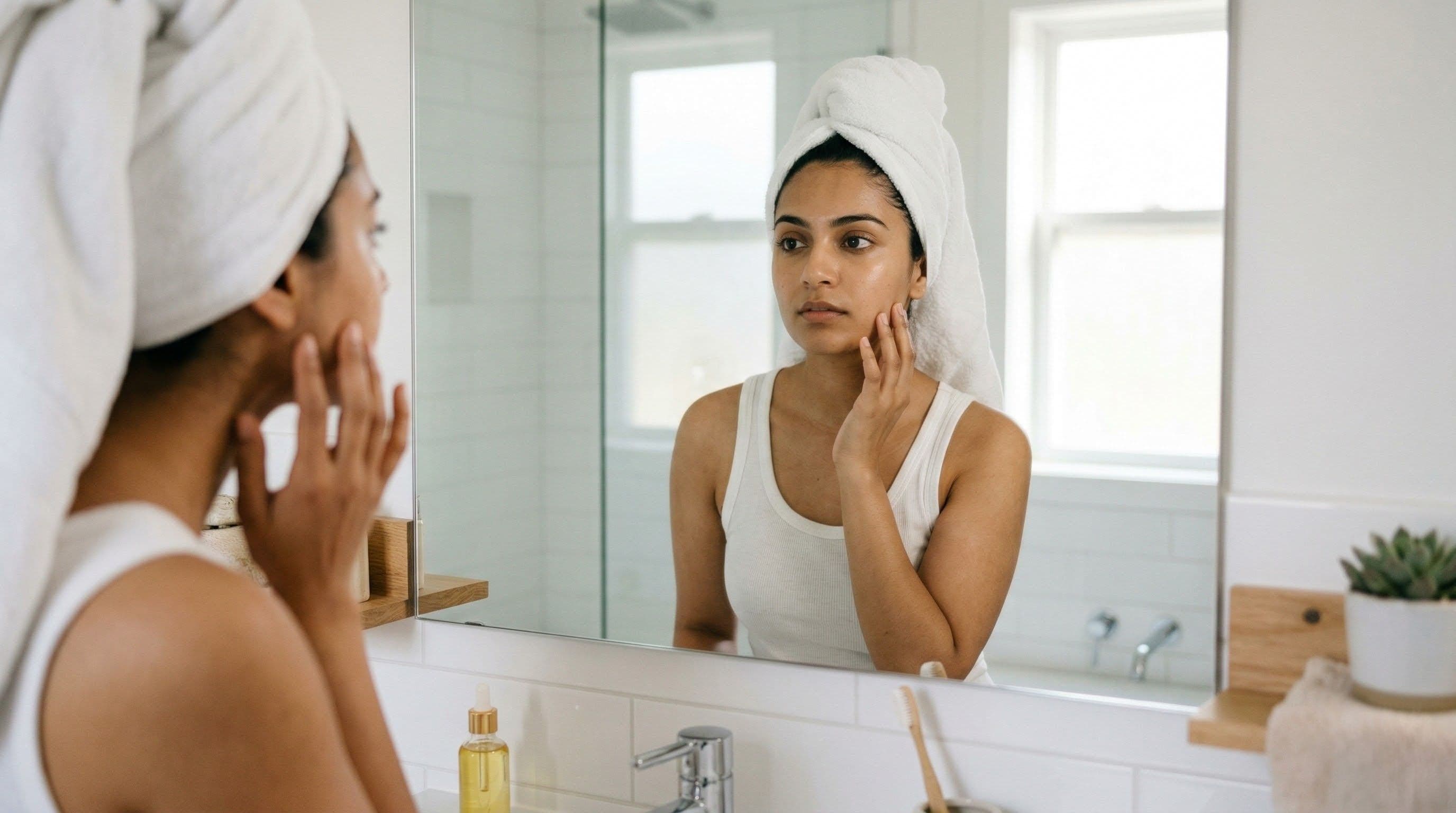
You used to eat anything and feel fine. Now one heavy meal wrecks your whole next day. Your body changed and nobody gave you the updated manual.
The shift nobody warned you about
At 22, you could eat Maggi at midnight, sleep four hours, and still show up to work functioning. Your body was forgiving. It bounced back from everything.
Now you are 27 or 28, and the rules have changed. Quietly. Without permission. Without warning.
One heavy dinner and your stomach is off for two days. One bad night of sleep and you are useless until Thursday. Stress shows up on your skin now. Your periods are doing new things. Your energy has a ceiling it did not have before.
You are not imagining it. Your body genuinely changed. And nobody sat you down and explained what is different now.
Why your late 20s are the turning point
Here is what is actually happening. Your metabolism is starting to shift. It is not drastic, but it is real. Your body processes food differently. Recovery takes longer. Stress accumulates instead of washing away.
If you have PCOS, this is often when symptoms get louder. The irregular cycles, the fatigue, the stubborn weight that never budged before.
If you do not have PCOS, this is when hormonal fluctuations start becoming more noticeable. PMS gets worse. Energy becomes more cyclical. Things you never had to think about suddenly demand attention.
And the hardest part? Your life is also getting more complicated at the exact same time. Career pressure. Relationship stress. Maybe thinking about family planning. Financial responsibility. Social obligations.
Your body needs more care than ever, but your life has less room for it than ever.
The information gap
When you were a teenager, you learned the basics. Eat your vegetables. Drink water. Exercise. That was good enough for a 16-year-old body.
But nobody updated the curriculum for 27. Nobody told you that your iron needs change with your cycle. That your gut health affects your mood. That the reason you feel anxious every third week is hormonal, not psychological. That the same food can affect you differently depending on when you eat it.
You are expected to manage an increasingly complex body with the same information you had at 16. No wonder you feel lost.
What your friends will not say
Here is a conversation that happens constantly but never out loud:
"I feel tired all the time and I do not know why." "Same." "My stomach has been a mess lately." "Same." "I feel like I am falling apart." "Same."
Everyone feels it. Nobody talks about it properly. Because admitting that your body is confusing you at 27 feels like admitting you are not coping. And everyone around you looks like they have it figured out.
They do not. They are just quiet about it too.
What actually helps at this age
Not a crash diet. Not a 30-day challenge. Not a new supplement from Instagram.
What helps is understanding. Learning your body as it is now, not as it was five years ago. Paying attention to patterns. Noticing that you crash every time you skip protein at lunch. That your sleep is worse the week before your period. That your digestion is better when you eat warm food.
This kind of self-knowledge takes time. It takes attention. And it takes something that can hold all these threads together and show you the bigger picture.
That is exactly what Swayu does
It watches the small things over time. Your meals, your energy, your cycle, your mood. And it starts connecting patterns that you are too busy living to notice.
"You always crash on Wednesdays. I think it is because Monday and Tuesday meals are usually lower in protein. Try adding some paneer or eggs on those days."
"Your sleep has been off this week. You are in the luteal phase and this happens every month. It should settle by Friday."
Not generic advice. Your patterns. Your body. Your life.
Because in your late 20s, you do not need someone telling you what to do. You need someone helping you understand what is already happening.